Pixel Flowers Seamless Pattern
A Nostalgic Touch for Modern Embroidery
As a designer who’s stitched through countless patterns, I approach each new design with the same question: Will this work in real life? Pixel Flowers Seamless Pattern is no exception. With its retro pixel art aesthetic and vibrant floral elements, it carries a distinct charm that feels both familiar and fresh. But before I dive into how it might fit into a custom project, let me walk you through what I see and how it might perform in practice.
The First Impression: A Retro Pixel Flair
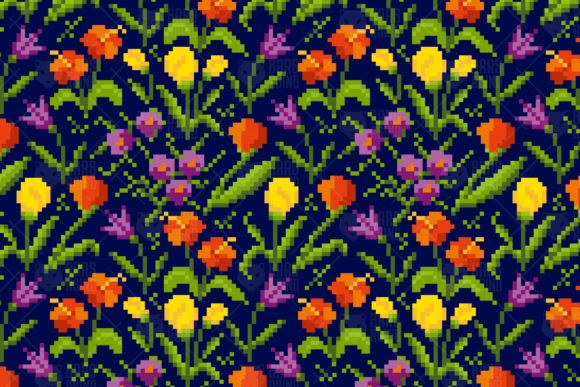
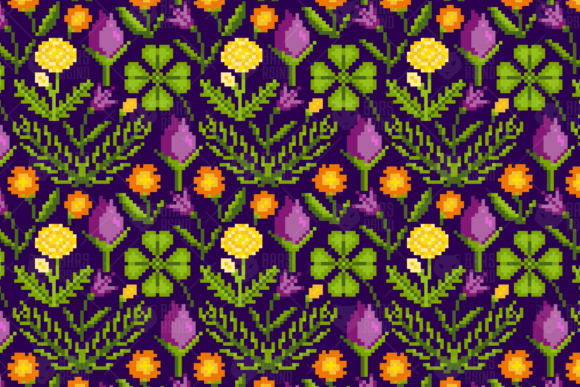
At first glance, Pixel Flowers Seamless Pattern evokes a sense of nostalgia—like stepping back into a 90s computer game or a vintage graphic design era. The pixelated flowers, rendered in bold shades of yellow, orange, and purple against a deep navy background, create a striking contrast that’s both playful and sophisticated. The seamless nature of the pattern means it can be repeated without visible seams, making it ideal for larger projects like fabric panels or wall hangings.
What stands out is the balance between detail and simplicity. The flowers are stylized but not overly intricate, which makes them forgiving for beginners and versatile for experienced stitchers. The herbs scattered throughout add a touch of whimsy, reinforcing the theme of a retro field garden. This visual personality suggests the pattern would work well in handmade products that aim to evoke warmth, comfort, and a sense of place.
Real-Life Use Case: Custom Embroidered Tote Bag
Let’s imagine using Pixel Flowers Seamless Pattern on a custom embroidered tote bag. The deep navy background provides a solid base that complements the bright flowers, making the design pop. When stitched with contrasting thread colors like white or gold, the pattern becomes even more eye-catching. However, the small details—like the tiny petals and delicate leaves—might be challenging to render clearly on a large surface.
This brings up an important point: test the design on scrap fabric first. Even though the pattern looks great on screen, stitching it on actual fabric reveals nuances like stitch density, thread color contrast, and how the design interacts with different fabric textures. For instance, a thick cotton canvas might handle the pattern well, but a thin or stretchy fabric could distort the shapes or cause the embroidery to appear less crisp.
Where to Use It Safely and Where to Be Cautious
Pixel Flowers Seamless Pattern is a versatile design, but it has specific use cases where it shines and others where it might struggle. Here’s where it works best:
- Custom apparel: Sweatshirts, t-shirts, and hoodies benefit from the pattern’s boldness, especially when used as a secondary design or on a dark background.
- Baby items: The soft, retro feel of the design makes it suitable for baby clothes, blankets, and bibs, offering a gentle yet stylish touch.
- Embroidered patches: The compact size of the pattern fits well within a patch, making it perfect for adding a subtle yet memorable detail to clothing or accessories.
- Holiday gifts: Whether it’s a personalized pillow cover or a tea towel, the nostalgic vibe of the pattern aligns well with seasonal themes.
- Commercial embroidery: If you’re selling digital embroidery files, the pattern’s clean lines and limited detail make it a strong candidate for mass production.
However, there are situations where the design might require extra care:
- Small hoop sizes: The intricate details may not translate well to smaller hoops, leading to loss of clarity or distortion.
- Dark fabric backgrounds: While the deep navy base is visually appealing, it can sometimes make the pattern appear flat unless paired with high-contrast thread colors.
- Textured or stretchy fabrics : These materials can affect stitch placement and overall appearance, requiring careful stabilizer use and test runs.
- Dense stitch areas: The detailed flower shapes may need higher stitch density to maintain their form, which can increase stitching time and complexity.
Design Impact on Visual Appeal and Product Value
When considering the final product, the visual appeal of Pixel Flowers Seamless Pattern is undeniable. Its retro pixel art style offers a unique aesthetic that can stand out in a crowded market. However, the design’s effectiveness also depends on how well it’s executed in practice. A poorly stitched design can diminish the perceived value of a handmade product, especially if the customer expects a certain level of quality.
For Etsy sellers or small shop owners, the pattern’s ability to create a recognizable brand identity is a plus. The consistent color palette and thematic elements make it easy to build a cohesive collection. That said, customer trust is built on consistency, so ensuring that the design performs reliably across different products and fabric types is essential.
Practical Designer Notes for Success
If you’re planning to use Pixel Flowers Seamless Pattern in your projects, here are a few key considerations:
- Test on scrap fabric to assess how the design translates to real stitching.
- Check thread color contrast to ensure visibility and vibrancy.
- Review stitch density to maintain clarity, especially in detailed areas.
- Confirm hoop size to avoid distortion or incomplete stitching.
- Inspect small details like petals and leaves to ensure they remain clear after stitching.
- Use proper stabilizer to prevent puckering or shifting during embroidery.
- Test in black and white mockups to evaluate how the design holds up in different lighting conditions.
- Compare light and dark fabric backgrounds to find the best visual balance.
- Ensure licensing is clear before selling finished items or digital products.
By following these steps, you’ll maximize the potential of Pixel Flowers Seamless Pattern and ensure it delivers the quality and impact you expect.